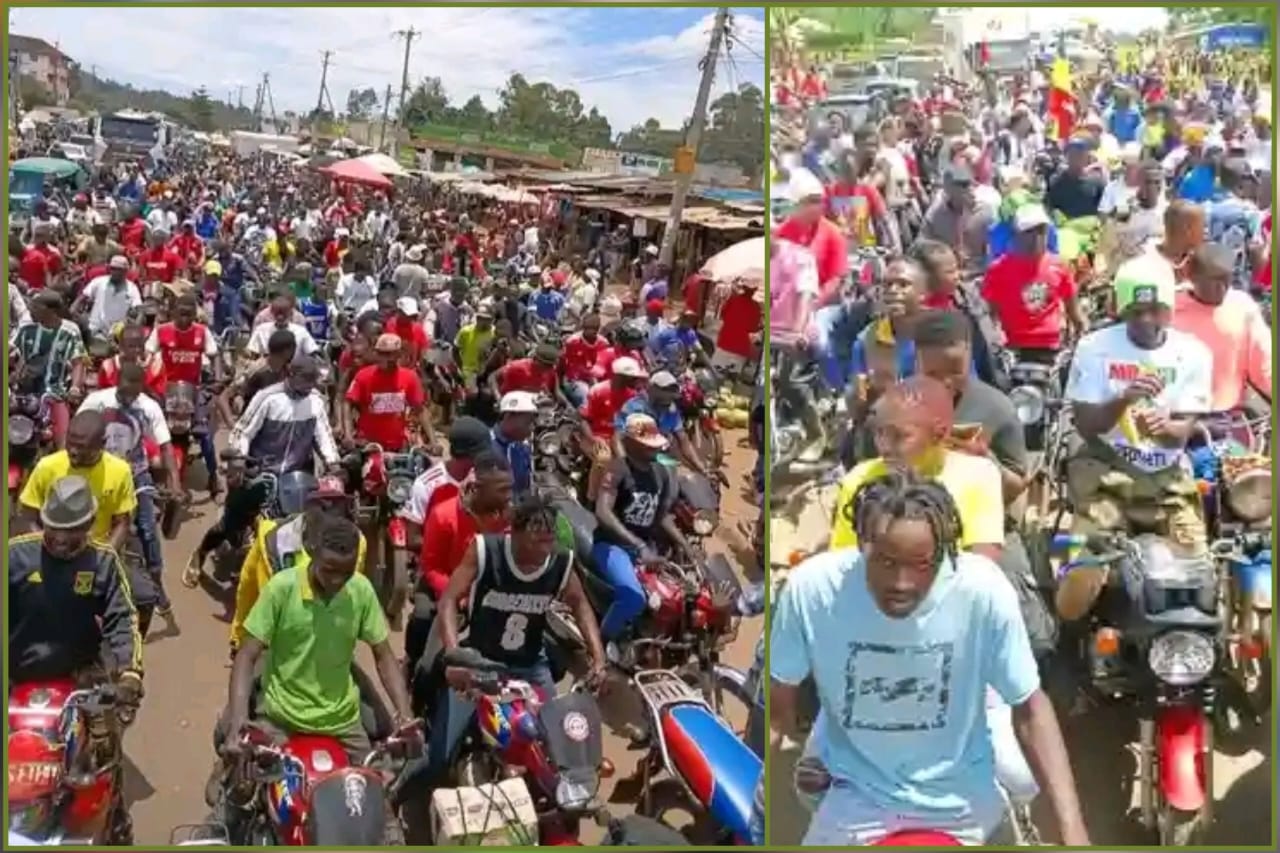
Reggae na Lami, widely known as Msafara, has grown into a visible part of youth culture in many towns, especially among boda boda riders. What some people see as loud music and long motorbike convoys, others now view as a social movement with real economic and cultural value.
For many riders, Msafara is more than a weekend gathering. It is a space for identity, expression and connection. It gives young people a chance to come together, celebrate and feel part of something bigger.
The movement often brings together:
- Boda boda riders.
- MCs and hype men.
- DJs and sound system operators.
- Food vendors and roadside traders.
- Young people looking for entertainment and belonging.
Official Response
There is no single formal national policy governing Msafara, but local conversations around it have often focused on safety, order and noise control. Supporters argue that the movement should be understood as a community and economic activity, not only as disruption.
Those who take part say the gatherings are organized around music, road processions and shared excitement, with many participants seeing them as a legitimate part of everyday youth life.
At the same time, critics say the events need clearer rules so that they do not endanger road users or disturb residents.
Why This Matters
Msafara matters because it reflects how young people are creating opportunity in places where formal jobs are limited. For many riders and creatives, the movement has opened a small but important income stream.
- Income for DJs, MCs and sound operators.
- Higher sales for fuel stations and food vendors.
- More customers for roadside traders along procession routes.
- Brand-building opportunities for young entertainers.
That matters in local economies where even one busy procession can boost earnings for several small businesses in a single day.
Community Impact
Beyond money, Reggae na Lami is helping to build social ties. Riders from different areas meet, talk, network and create friendships that may later help them with work, security or referrals.
For many young people, the movement also offers something harder to measure: belonging. It gives a sense of pride and identity in a space where many feel overlooked.
Some supporters say Msafara has become a modern youth culture with its own energy and style. They argue that it is not just about music, but about how young people organize themselves, find visibility and support one another.
The movement is also a platform for talent. Young DJs and MCs who might otherwise go unnoticed can gain attention, test their skills and grow their following through these gatherings.
Safety & Prevention
Like any public gathering, Msafara works best when there are clear limits and shared responsibility. The challenge is to protect both the culture and the public.
- Keeping processions away from unsafe riding and reckless overtaking.
- Respecting pedestrians, schools, hospitals and residential areas.
- Using sound equipment at reasonable levels.
- Choosing routes and times that reduce conflict with traffic.
Riders and organizers can also work with local leaders to create simple guidelines that allow celebrations while reducing risk. That may help the movement survive without turning into a public safety problem.
What Happens Next
The future of Reggae na Lami will likely depend on how communities, riders and authorities choose to handle it. If the movement is ignored or treated only as a nuisance, tensions may rise. If it is regulated fairly, it could continue as both a cultural expression and a small economic engine.
For now, Msafara remains part of the wider story of youth, hustle and street life. It is about more than noise. It is about work, friendship, talent and the search for belonging in a tough economy.
Share Your Thoughts
We would like to hear from you.
- Should local leaders treat Msafara as a culture to regulate or a nuisance to stop?
- How can boda boda riders keep the movement safe while protecting its identity?
- Which part of Msafara matters most in your area: the music, the jobs or the sense of unity?
For official updates or emergency assistance, residents are advised to contact the relevant authorities.