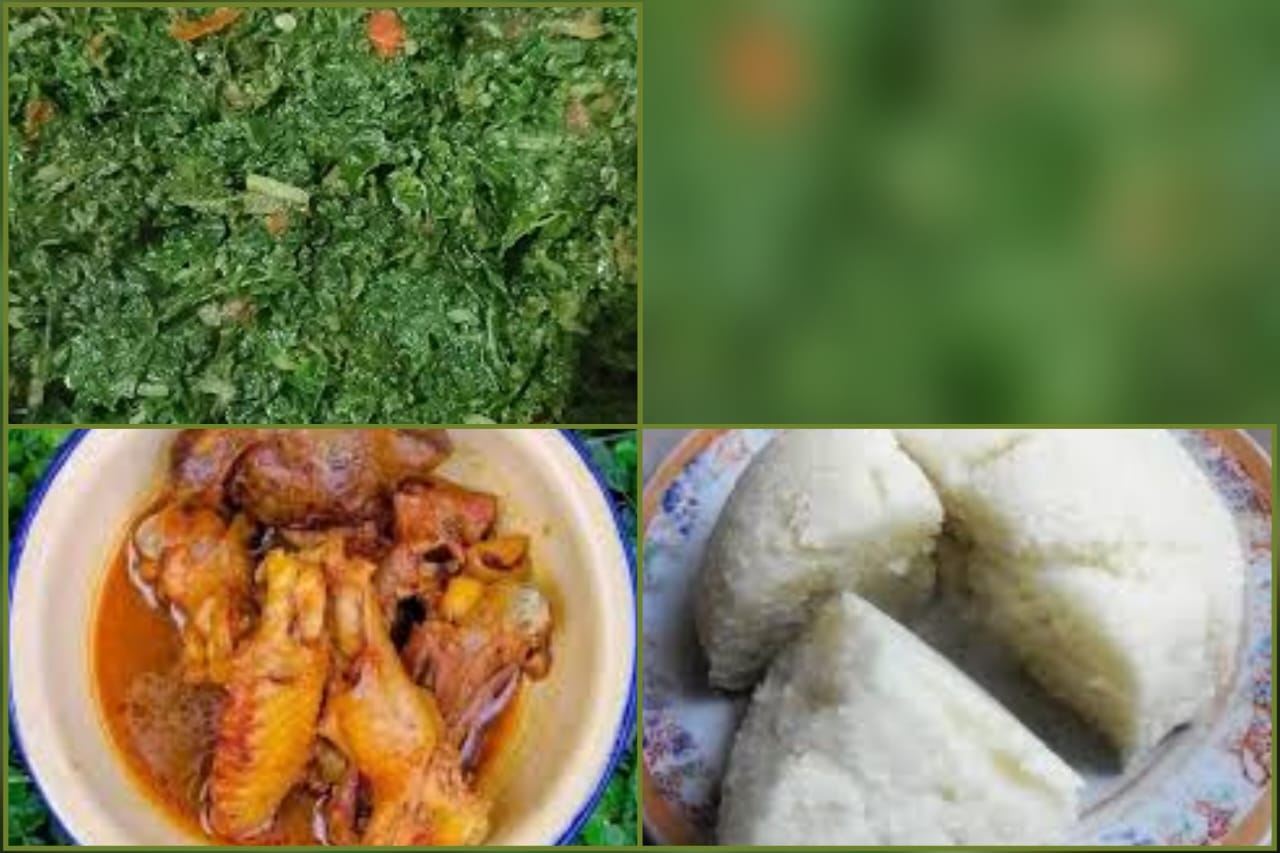
Vihiga County's food culture is built on simple meals that carry deep meaning, and three dishes stand out as the most iconic: obusuma, ingokho and tsimboga. Together, they represent daily life, hospitality and the strong link between food and identity in Luhya culture.
These meals are not just eaten for taste. They reflect family, tradition and the agricultural roots of the county. For many households, they remain part of normal life and continue to shape how people welcome guests and gather around the table.
Official Response
There is no single official culinary guide for Vihiga, but local homes, elders and food traditions continue to preserve these meals through daily practice.
In many households, serving these dishes is seen as a sign of respect and care. The meals are prepared in ways that have been passed down from one generation to the next, keeping the culture alive through food.
Why This Matters
Food is one of the clearest ways to understand a community, and in Vihiga these meals tell a bigger story about health, heritage and belonging. Obusuma, ingokho and tsimboga are familiar, affordable and closely tied to local farming.
- Obusuma — brown ugali made from finger millet, sorghum and cassava flour, valued for its deeper taste and nutrition.
- Ingokho — traditional free-range chicken, slow-cooked and reserved for guests and special gatherings.
- Tsimboga — traditional greens such as managu, sagaa and murenda, cooked simply to keep their natural flavour.
They also matter because they show how traditional food remains relevant even as diets change. Many families still prefer these meals because they are filling, nutritious and culturally familiar. In a county where agriculture plays a major role, the ingredients also reflect what people grow and eat locally.
Community Impact
Obusuma is the base of many meals in Vihiga. The brown version, often called Bushuma Bwo Buro, is made from a mix of finger millet, sorghum and cassava flour. Many people value it because it has a deeper taste and is seen as more nutritious than plain white maize ugali.
Ingokho, or traditional chicken, is often reserved for visitors, family celebrations and important gatherings. It is usually free-range chicken cooked slowly to bring out its full flavour. In many homes, being served ingokho is taken as a sign that you are respected and valued.
Tsimboga refers to traditional greens such as managu, sagaa and murenda. These vegetables are widely loved because they are nutritious and reflect the county's farming culture. They are often cooked simply, sometimes with a little milk, so that the natural taste is not lost.
Together, the three dishes show how food in Vihiga is tied to community life. A shared meal is often a way to show hospitality, preserve memory and bring people together.
Safety & Prevention
Traditional meals are healthy and enjoyable when prepared well, but like any food, they should be handled safely. Families are encouraged to:
- Wash vegetables thoroughly before cooking.
- Cook chicken fully to avoid foodborne illness.
- Store leftovers properly and reheat them well before serving.
- Use clean utensils and safe water during preparation.
For visitors trying these foods for the first time, it helps to start with small portions and learn how each dish is traditionally served.
What Happens Next
As food tourism and local culture continue to grow, Vihiga's traditional meals may gain even more attention from visitors and younger generations. Community events, cultural days and family gatherings can help keep these foods visible and valued.
For now, obusuma, ingokho and tsimboga remain at the centre of the county's food story. They are simple meals, but they carry the flavour of tradition, hospitality and home.
Share Your Thoughts
We would like to hear from you.
- Which of these three Vihiga meals do you think best represents the county's culture?
- How can families keep traditional dishes popular among younger people?
- What other local meals should be added to a Vihiga food list?
For official updates or cultural information, residents are advised to contact local community leaders and cultural organisations.