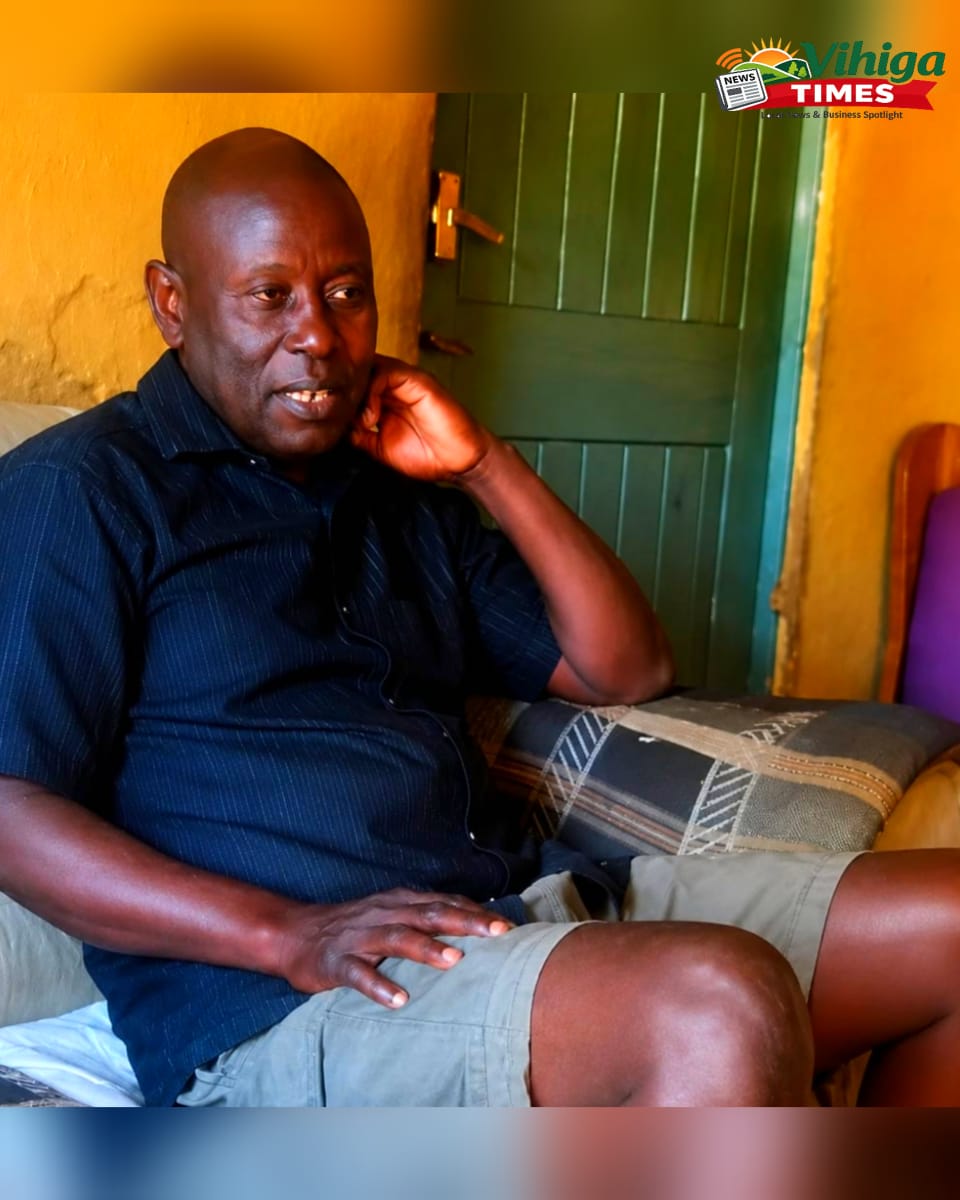
Blind Vihiga Man Appeals for Help to Support Family After Wife Breaks Leg
A 49-year-old man from Busaina Village in Mbihi, Vihiga County, is appealing for help from the government, local leaders, well-wishers and other people who can assist him to get food, medical care and basic needs for his family.
Samuel Lugadiru, who has been unable to see for more than seven years, says life has become difficult for him and his family because of his health condition and the challenges they are facing at home.
Family's Difficult Circumstances
Lugadiru says he has been relying on support from people close to him and his wife to carry out daily activities and take care of their children.
However, the situation has become even more difficult after his wife, who played a major role in supporting him, broke her leg.
The family is now facing serious challenges in getting food and paying for medical treatment.
Because of his inability to see, Lugadiru says he has difficulty doing income-generating activities and providing his children with their basic needs.
Appeal for Assistance
He is asking the government, through the relevant departments, local leaders, well-wishers, social organizations and members of the public, to step in and support his family.
He says the assistance would help him get food, medical treatment and basic needs for his children, who also depend on him for care and daily necessities.
Lugadiru hopes his appeal will reach people who are able to help and that the government and local leaders will take action to help him and his family cope with their difficult situation.
- Food: Maize flour, rice, beans, cooking oil, sugar and other basic food items
- Medical Care: Treatment costs for wife's broken leg and ongoing medical needs
- Children's Needs: School fees, uniforms, supplies and daily necessities
- Basic Household Items: Soap, salt, paraffin and other essentials
- Long-term Support: Disability registration, social protection enrolment and livelihood opportunities
Broader Context: Challenges for Persons with Disabilities
His story highlights the challenges faced by people living with disabilities and their families, especially when they lack someone to support them.
For Lugadiru, help with food, medical care and his children's basic needs could be an important step towards restoring hope to his family.
In Kenya, persons with disabilities face multiple barriers including:
- Limited employment opportunities: Many employers are reluctant to hire persons with disabilities, particularly those with visual impairments
- Accessibility challenges: Physical infrastructure, transportation and information systems often lack accessibility features
- Healthcare access: Persons with disabilities may face difficulties accessing medical care, including specialized services
- Social stigma: Discrimination and negative attitudes can limit participation in community life
- Economic vulnerability: Families with disabled members often face higher expenses and lower income, increasing poverty risk
Available Support Programs in Kenya
Several government and non-government programs exist to support persons with disabilities and vulnerable families in Kenya:
Government Programs:
- National Council for Persons with Disabilities (NCPWD): Provides disability grants and assistive devices, offers vocational training and employment support. Contact: NCPWD county offices nationwide.
- Inua Jamii Programme (State Department for Social Protection): Provides cash transfers to older persons, persons with severe disabilities, and orphaned and vulnerable children. Monthly cash assistance for eligible beneficiaries. Registration through local social protection offices.
- National Health Insurance Fund (NHIF): Covers medical expenses for registered members. Special provisions for persons with disabilities. Registration at NHIF offices or online.
- County Government Social Protection Departments: Vihiga County Department of Health and Social Services provides emergency relief, food assistance and referrals to specialized services.
- Ministry of Labour and Social Protection: Disability mainstreaming in employment, skills development, entrepreneurship support and policy advocacy for disability rights.
Non-Governmental Organizations:
- Kenya Society for the Blind (KSB): Specialized support for visually impaired persons including mobility training, braille education, assistive devices, vocational training and employment placement. Contact: KSB Nairobi headquarters or regional offices.
- Sightsavers Kenya: Eye health services and vision impairment support, community-based rehabilitation programs, partnership with local health facilities.
- Caritas Kenya and Catholic Relief Services: Emergency food assistance, livelihood support, disability-inclusive programming, community mobilization and advocacy.
- Local Faith-Based Organizations: Churches and mosques often run food banks, assistance programs, community fundraising for medical emergencies, and peer support networks.
- Community-Based Organizations (CBOs): Local disability groups and self-help organizations offering peer support, resource sharing and advocacy for inclusive services.
How People Can Help Lugadiru Family
Residents who want to support Samuel Lugadiru and his family can:
Immediate Assistance:
- Provide food items (maize flour, rice, beans, cooking oil, sugar)
- Contribute towards medical bills for his wife's leg treatment
- Help with school fees and supplies for the children
- Assist with basic household needs (soap, salt, paraffin, etc.)
Longer-Term Support:
- Connect the family with NCPWD for disability registration and benefits
- Help register for Inua Jamii cash transfer programme
- Link with Kenya Society for the Blind for specialized support
- Explore income-generating opportunities suitable for persons with visual impairments
- Facilitate access to microfinance or entrepreneurship training
Contact Points for Assistance:
- Vihiga County Social Protection Office: For government assistance programs
- Local Chief's Office: For emergency relief and referrals
- NCPWD Vihiga County Office: For disability-specific support
- Kenya Society for the Blind: For visual impairment services
- Local churches and community groups: For immediate food and material support
- Fast-track disability registration with NCPWD for grants and services.
- Enrol the family in Inua Jamii or other cash transfer programmes.
- Provide immediate emergency food relief through county programmes.
- Facilitate access to NHIF or county health insurance for medical expenses.
- Connect to vocational training or entrepreneurship programmes for visually impaired persons.
- Ensure children receive bursary support and school supplies through NG-CDF or county education funds.
Community Solidarity
The Lugadiru family's situation calls for community solidarity and collective action.
In Vihiga County, as in many parts of Kenya, community members have traditionally supported each other during difficult times through:
- Harambee fundraising: Community contributions for medical bills, school fees and emergencies
- Neighbour-to-neighbour support: Sharing food, labour and resources
- Church and mosque networks: Faith-based assistance and prayer support
- Youth and women's groups: Organized community support initiatives
- Local leadership: Chiefs, MCAs and MPs facilitating access to government programs
How to Verify and Follow Up
For those interested in helping the Lugadiru family, it is recommended to:
- Contact local authorities: Verify the family's situation through the local chief's office or village elder
- Coordinate with established organizations: Work through registered NGOs, CBOs or government programmes for sustainable support
- Avoid direct cash handouts: Provide in-kind support or channel funds through trusted intermediaries
- Document assistance: Keep records of contributions for accountability and follow-up
- Long-term commitment: Consider sustained support rather than one-time assistance
Contact Information for Assistance
Government Offices: Vihiga County Department of Health and Social Services, NCPWD Vihiga County Office, Inua Jamii Programme - Vihiga Sub-County Office, Local Chief's Office - Mbihi Location.
Non-Governmental Organizations: Kenya Society for the Blind (KSB) - Nairobi and regional offices, Sightsavers Kenya - Programme offices, Caritas Kenya - Diocesan offices, Local CBOs and faith-based organizations.
Emergency Contacts: Vihiga County Emergency Hotline (if available), Local police station for security concerns, Nearest health facility for medical emergencies.
What Happens Next
The Lugadiru family's appeal is expected to generate responses from:
- Government agencies: Through social protection and disability programmes
- Local leaders: MCAs, MPs and county officials may facilitate assistance
- Well-wishers: Individual donors and community members
- Organizations: NGOs, CBOs and faith-based groups
- Media: Continued coverage may attract additional support
For updates on assistance received and the family's situation, residents are advised to follow up through local leaders, the chief's office, or verified community sources.
A Call for Inclusive Development
Lugadiru's story underscores the importance of inclusive development that leaves no one behind, particularly persons with disabilities and their families.
As Kenya implements the Sustainable Development Goals (SDGs) and Vision 2030, ensuring that persons with disabilities have equal access to opportunities, services and support remains a critical priority.
The Lugadiru family's situation calls for:
- Strengthened social protection: Expanded coverage of cash transfers and disability grants
- Improved accessibility: Barrier-free infrastructure and services
- Economic empowerment: Skills training and employment opportunities for persons with disabilities
- Healthcare access: Affordable and accessible medical services
- Community awareness: Reduced stigma and increased inclusion
Share Your Thoughts
We would like to hear from you.
- How can we better support families like the Lugadiru family in Vihiga County?
- What programs should the government strengthen to assist persons with disabilities?
- How can communities come together to support vulnerable members in times of crisis?
For official updates or emergency assistance, residents are advised to contact the relevant authorities.