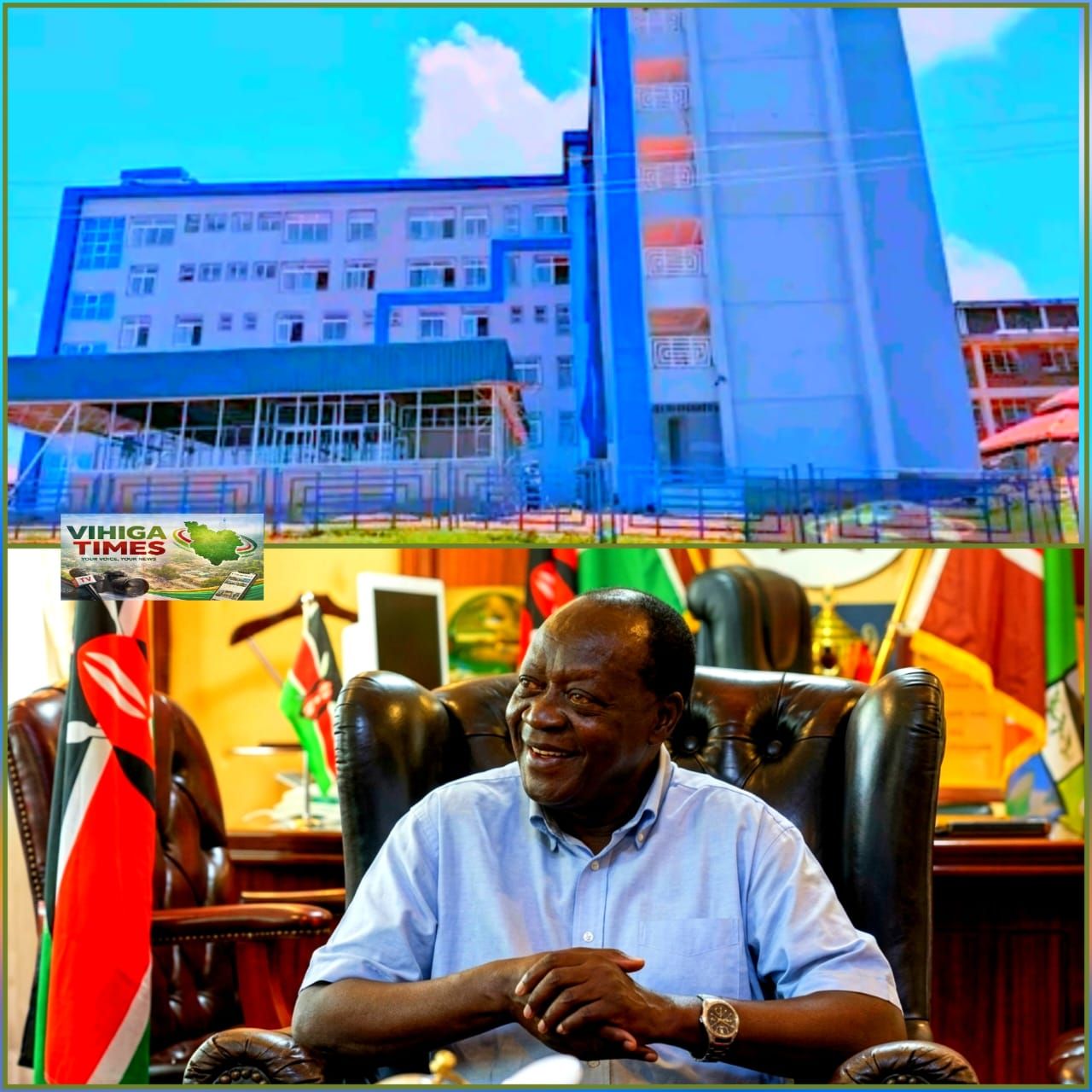
A positive announcement about healthcare progress at Vihiga Teaching and Referral Hospital (VTRH) has sparked a sharp public debate after residents openly questioned the quality of basic services in the county.
Governor Wilber Ottichilo praised the ongoing Free Surgical Camp at VTRH, run in partnership with Operation International, and highlighted that it is in its third year. The camp is offering free specialized surgeries such as cleft lip and palate repair, goitre treatment, neck masses, lipomas, and head and neck tumours.
The Governor also announced plans to build a research centre and introduce telemedicine services at VTRH as part of a broader push to turn the hospital into a "centre of excellence." While the free camp is welcomed by some, many residents say the county's everyday healthcare problems are still not being solved.
Official Response
In his statement, Governor Wilber Ottichilo described the surgical camp as a major step toward improving access to specialist care for Vihiga residents. He said the partnership with international medical teams is helping patients who would normally struggle to afford advanced procedures.
The proposed research centre and telemedicine services are framed as long-term investments to modernize VTRH and reduce pressure on Nairobi-based referral centres. However, the Governor has not yet addressed the specific complaints about staff shortages, medicine supply, and emergency response raised by residents online.
Why This Matters
The debate is important because it strikes at the trust between residents and the county government over how healthcare money and ideas are being used. Many residents say they are more concerned with basic issues such as long waiting times and poor triage, missing or delayed essential drugs, and weak emergency-care response.
At the same time, the free surgical camp and telemedicine plans are real, visible programs that can save lives and improve care for some patients. The tension shows how difficult it is to balance exciting new projects with day-to-day service delivery in a small county hospital setting.
Free Surgical Camp: 3rd year running, partnered with Operation International
Proposed Projects: Research centre and telemedicine services
Resident Concerns: Staff shortages, drug supply, emergency response
Governor's Goal: Transform VTRH into a "centre of excellence"
Community Impact
Vihiga residents say they have repeatedly raised concerns about VTRH, pointing out that improved services are needed not just during special medical missions but in normal working days. Some patients complain that emergencies and surgical cases are left waiting for hours, and that basic procedures are delayed due to staffing or equipment gaps.
Others say they are forced to buy medicines from private chemists even after paying for treatment at public facilities, which they feel is unfair and defeats the purpose of free-care policies. When telemedicine and benchmarking trips to places like Murang'a and India are announced, some residents feel that "new ideas" are being copied while local problems are ignored.
Safety & Prevention
The conversation around VTRH also highlights how citizens can engage more effectively with county health services and leadership. Residents are encouraged to file formal complaints at the hospital's feedback desk or through the county health department, use community health committees and ward-level meetings to raise concerns about staffing, drugs, and emergency care, and share suggestions on how to improve queues, triage, and medicine supply, instead of only complaining.
Health officials can help by regularly updating the public on drug-stock levels and staffing plans, and explaining how big-picture projects like telemedicine are meant to support everyday services, not replace them. Stronger communication and accountability can reduce frustration and build trust between patients and the system.
What Happens Next
The surgical camp at VTRH will continue for the planned period, helping patients who need free specialized surgeries. County health officials and hospital management may come under pressure to respond to the round of complaints about delays, drug shortages, and emergency response.
Members of the public are likely to watch closely whether the county shifts resources toward improving basic services—such as nurse and doctor staffing, emergency-care readiness, and medicine supply—alongside the rollout of telemedicine and research plans.
For now, the clear message coming from residents is: "fix basic healthcare first." Many are saying they want to see visible change in how patients are treated every day, not only in high-profile medical camps or future projects.