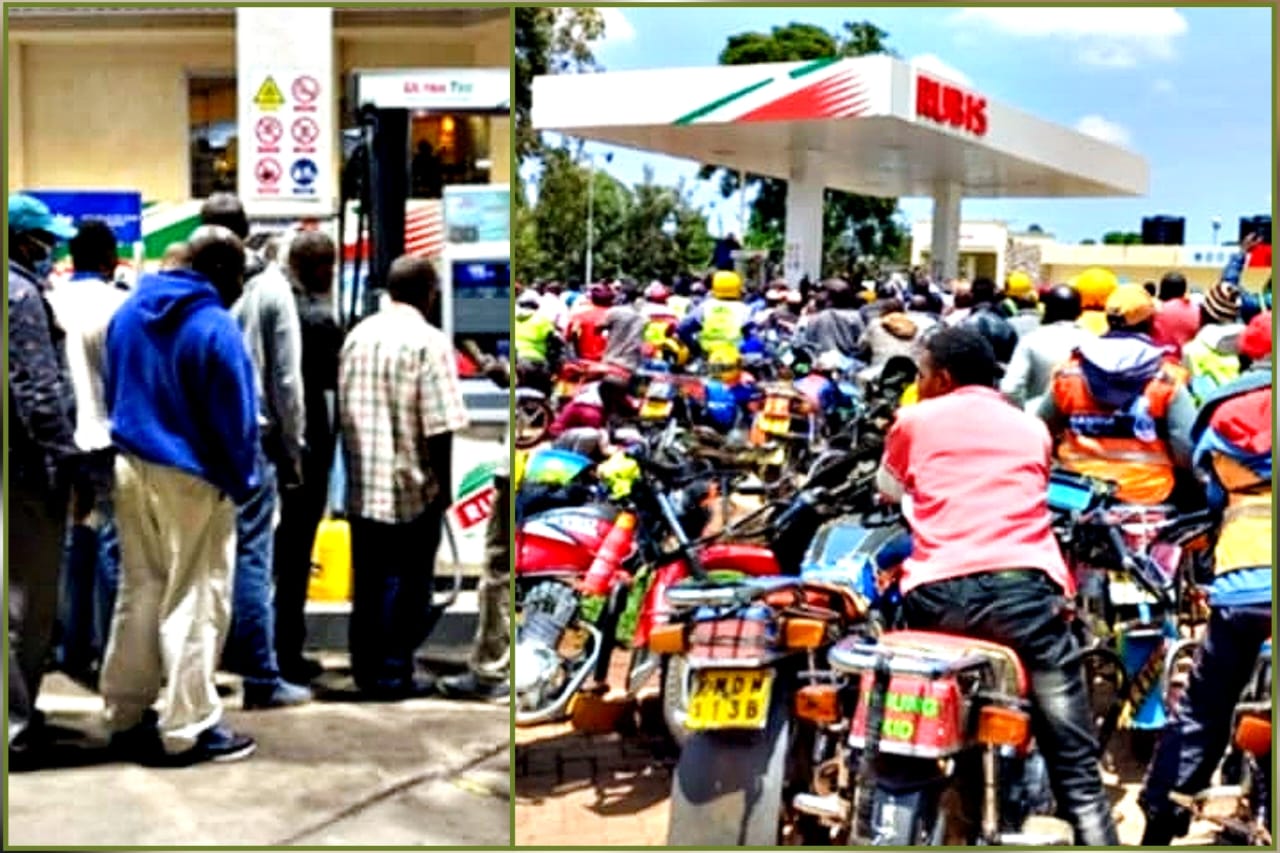
A nationwide fuel shortage that has caused long queues in major cities is now affecting Vihiga County. Several petrol stations in Luanda, Mbale and other trading centres report irregular deliveries; a few outlets have started rationing petrol and diesel, while others display short‑supply signs. The county depends on deliveries from regional hubs such as Kisumu and Kakamega, so delays up the supply chain have quickly filtered down to local pumps. Motorists, boda‑boda riders and small businesses are already feeling the pinch as uncertainty over availability grows.
The national government has insisted the situation is under control and that fresh fuel shipments are arriving at depots. County officials in Vihiga say they are monitoring stock levels and coordinating with fuel distributors to prioritise emergency services and public transport where possible. At the time of publication, specific delivery timetables for Vihiga stations had not been confirmed.
What Happened
A nationwide fuel shortage that has caused long queues in major cities is now affecting Vihiga County. Several petrol stations in Luanda, Mbale and other trading centres report irregular deliveries; a few outlets have started rationing petrol and diesel, while others display short‑supply signs. The county depends on deliveries from regional hubs such as Kisumu and Kakamega, so delays up the supply chain have quickly filtered down to local pumps. Motorists, boda‑boda riders and small businesses are already feeling the pinch as uncertainty over availability grows.
Official Response
The national government has insisted the situation is under control and that fresh fuel shipments are arriving at depots. County officials in Vihiga say they are monitoring stock levels and coordinating with fuel distributors to prioritise emergency services and public transport where possible. At the time of publication, specific delivery timetables for Vihiga stations had not been confirmed. Residents are advised to check with their usual service stations for opening hours and rationing rules. [Official Statement Link Placeholder]
Local transport unions and station owners told our reporter they have appealed for fair allocation from regional depots. A county transport official said officials had requested that supply planners consider high‑traffic routes such as Mbale–Kisumu and Luanda–Kakamega when scheduling replenishments.
Why This Matters
Fuel underpins daily life and commerce in Vihiga. When pumps run low or operators limit sales, the immediate effects are higher transport costs and longer waiting times for commuters. For low‑income households that rely on matatus and boda‑bodas, small fare increases can significantly strain budgets. Traders who transport produce to markets and businesses that rely on daily deliveries face squeezed margins. For farmers selling perishable goods, delayed transport can mean spoilage and income loss.
- Higher transport costs and longer waiting times for commuters.
- Squeezed margins for traders transporting produce to markets.
- Risk of spoilage and income loss for farmers selling perishable goods.
- Potential fare increases affecting low-income households.
Beyond immediate inconvenience, prolonged shortages can disrupt supply chains, push up prices of basic goods and reduce access to essential services. When transport becomes unreliable, school attendance, healthcare access and market trade all suffer. The economic ripple effects extend well beyond the petrol station forecourt.
Community Impact or Background Context
Vihiga's economy is driven by smallholder agriculture and a dense network of micro‑enterprises that move goods regularly between villages and regional markets. The county sources most of its fuel via road haulage from Kisumu and Kakamega; bottlenecks at those depots ripple quickly into local shortages. In past shortfalls, residents reported panic buying and long queues that shut shops early and disrupted market days.
Local boda‑boda riders say they are weighing higher fares against losing customers; small shop owners worry that higher transport costs will push up food prices at a time when many households are already coping with rising living costs. Farmers transporting fresh produce to Luanda and Mbale markets fear that delays could lead to spoilage and lost income.
Some community elders say the shortage should force a reckoning about how the county plans for supply disruptions and supports vulnerable households. They argue that transport and market infrastructure should be treated as priority investments, not just after a crisis occurs.
Youth groups and transport associations in the area have also called for better coordination between county officials and fuel distributors, saying that early warning systems and transparent stock reporting could reduce panic buying and unfair pricing.
Safety & Prevention
To reduce harm during the shortage, authorities and community groups recommend the following practical steps:
- Avoid panic buying; purchase only what you need and follow any rationing rules at stations.
- Motorists and boda‑boda riders should consolidate trips and share rides where possible to save fuel.
- Farmers should coordinate deliveries—pooling transport for market days reduces per‑unit costs and spoilage risk.
- Businesses should keep records of fuel purchases and any price changes to show transparency to customers.
If you suspect unfair pricing or illegal hoarding, report it to the county consumer protection office or energy regulator. [Official Statement Link Placeholder]
What Happens Next
Supply normalisation depends on depot deliveries and the resolution of any logistical bottlenecks in larger towns. County officials say they will continue engaging wholesalers and transport unions to prioritise essential services and high‑traffic routes. Traders and transport operators are watching for official updates on allocations; passengers should expect possible short‑term fare adjustments while the market stabilises.
Authorities have not yet announced a clear timetable for full normalisation in Vihiga. Details remain developing and residents should follow local station notices and county advisories. For now, the community waits for answers — about when supplies will return to normal, how prices will adjust, and whether this shortage will finally trigger the supply-chain improvements residents have been demanding.
Share Your Thoughts
We would like to hear from you.
- How are rising transport costs affecting your household or business in Vihiga?
- What short-term measures should county leaders prioritise to protect vulnerable commuters and traders?
- Have you experienced fuel rationing or price spikes in your area?
For official updates or emergency assistance, residents are advised to contact the relevant authorities.