Top 3 Must-Try Traditional Meals in Vihiga

Vihiga's cuisine is rich, authentic, and deeply rooted in Luhya culture. While there are many delicious dishes, three meals stand out as the true symbols of tradition, hospitality, and everyday life. If you want to experience Vihiga through food, start with these:
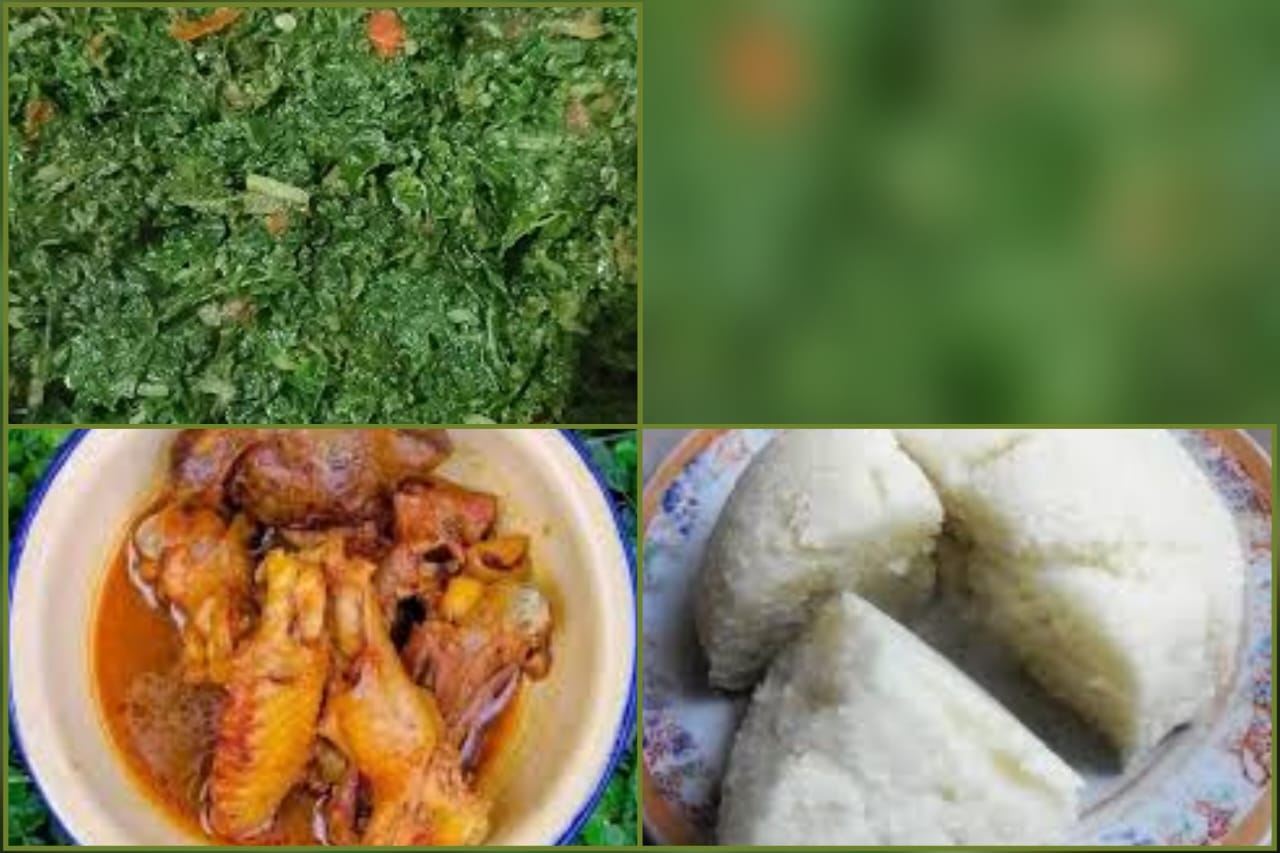
1. Obusuma (Ugali) – The Heart of Every Meal
Obusuma is the foundation of nearly every meal in Vihiga. It is more than just food—it is a daily staple that brings families together.
Traditionally, the most valued version is brown ugali (Bushuma Bwo Buro), made from a nutritious mix of finger millet, sorghum, and cassava flour. Unlike the common white maize ugali, this version is richer in nutrients and has a deeper, earthy flavor.
It is usually served hot and eaten with vegetables or meat, using hands—a cultural practice that connects people to their roots. In many homes, serving obusuma to a guest is a sign of warmth and acceptance.
2. Ingokho (Traditional Chicken) – A Dish of Honor
Ingokho is not an everyday meal—it is special. In Vihiga, preparing traditional chicken is a sign of respect, often reserved for visitors, celebrations, or important family gatherings.
This is typically kienyeji (free-range) chicken, known for its firm texture and rich taste. It is slow-cooked, allowing the natural flavors to develop fully without rushing the process.
"When you are served ingokho in a Vihiga home, it means you are truly valued."
Unlike commercial chicken, ingokho is not just about tenderness—it's about depth of flavor. The longer cooking time results in a thick, savory broth that pairs perfectly with obusuma.
3. Tsimboga (Traditional Greens) – The Taste of the Land
Tsimboga represents the agricultural richness of Vihiga. These traditional vegetables are not only delicious but also highly nutritious.
Common varieties include managu (African nightshade), sagaa (spider plant), and murenda (jute mallow). Each has a unique taste, often slightly bitter, which is balanced during cooking—sometimes with a touch of milk for a smoother flavor.
These greens are usually cooked simply to preserve their nutrients and natural taste. Served alongside obusuma, they create a balanced, healthy meal that has sustained generations. Beyond nutrition, tsimboga reflects a deep connection to the land and traditional farming practices.
A True Taste of Vihiga
Together, obusuma, ingokho, and tsimboga form the backbone of Vihiga cuisine. They are simple, natural, and full of meaning—representing community, respect, and heritage.
If you ever want to understand Vihiga culture, don't just visit—sit down and share a meal.

Written by
Related Articles